
The following is a brief introduction to the topic:
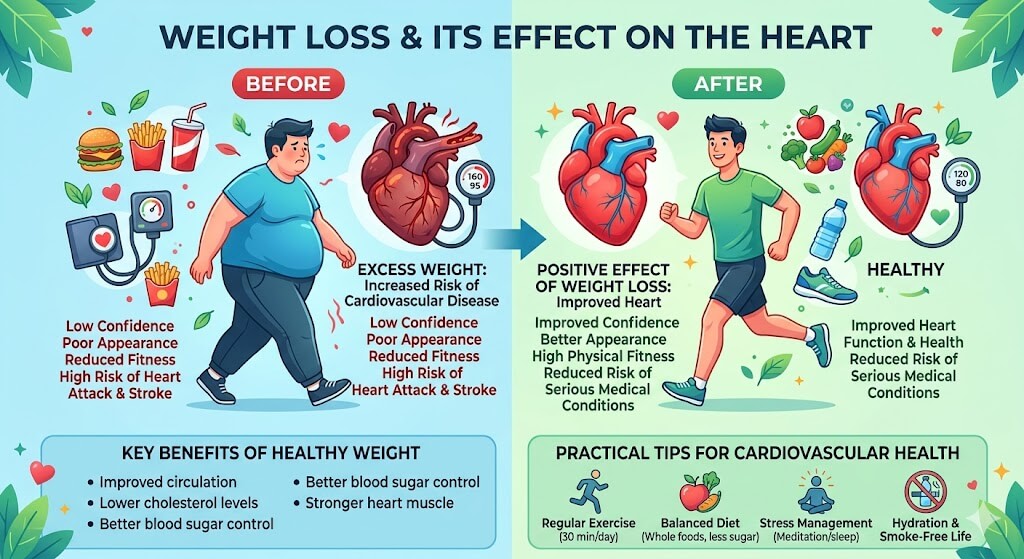
Weight Loss Its Effect on the Heart Weight loss can lead to improved confidence, appearance and physical fitness. Losing excess weight has a positive effect on your heart health. Carrying excess weight increases your risk of cardiovascular disease, which is one of the top causes of death in the world.
Losing even a small amount of weight, whether you are obese or overweight, can improve the function of your heart and reduce your risk of serious medical conditions. Understanding the link between weight loss, heart health and lifestyle can encourage you to adopt healthier choices.
This article explores the effects of weight loss on your heart. It also discusses the benefits that come with maintaining a healthy body weight. Finally, it offers practical tips to improve your cardiovascular health as well as your overall wellbeing. Weight Loss Its Effect on the Heart
Understanding the link between weight and heart health
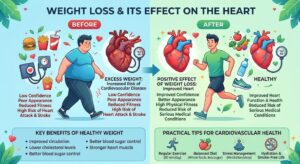
The heart pumps blood continuously throughout the body. Your heart works harder when you gain weight, particularly around your abdomen.
Weight Loss Its Effect on the Heart
Extra body fat is a contributor to:
- High blood pressure
- High cholesterol levels
- Insulin Resistance
- Type 2 diabetes
- Inflammation
- Heart strain increases
These factors can cause damage to blood vessels over time and increase your risk of strokes, heart attacks and heart failure. Weight Loss Its Effect on the Heart
What Excess weight Does to the Heart
1. Increased blood pressure
Overweight people often have elevated blood pressure. The extra fat tissue needs additional oxygen and nutrients. This forces the heart to pump blood more. Weight Loss Its Effect on the Heart
The increased workload is a result of:
- Elevated blood tension
- Thickening of the heart muscle
- Heart disease is associated with a higher risk.
Weight loss can lower blood pressure and reduce stress to the cardiovascular system. Weight Loss Its Effect on the Heart
2. High Cholesterol Levels
Unhealthy cholesterol levels are often associated with excess weight.
Included in this is:
- Increased LDL cholesterol
- Reduced HDL (good Cholesterol)
- Triglycerides elevated
These changes can lead to plaque accumulation in the arteries. This can reduce blood flow and increase heart attack risk. Weight Loss Its Effect on the Heart
3. Diabetes Risk Increased
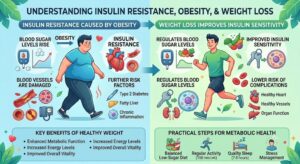
Insulin resistance is often caused by obesity.
Insulin resistance is a condition that occurs when:
- Blood sugar levels rise
- Blood vessels are damaged
- Heart Disease Risk Increases
Weight loss helps improve insulin sensitivity, and regulates blood sugar levels. Weight Loss Its Effect on the Heart
4. Chronic Inflammation
Increased body fat can release inflammatory substances in the bloodstream. effects of cannabis on the heart
Chronic inflammation is:
- Damaged artery walls
- Promote plaque formation
- Cardiovascular disease is more likely to occur
Reduced body fat reduces inflammation in the entire body. Weight Loss Its Effect on the Heart
Weight loss and heart health
Lower Blood Pressure
Weight loss can reduce blood pressure.
Losing just 5-10% body weight can have a significant impact on blood pressure.
The following benefits are included:
- Reduced strain on the arteries
- Increased circulation
- Reduced risk of stroke
Improved Cholesterol Profile
Weight loss can lead to:
- Reduce LDL cholesterol
- High HDL cholesterol
- Reduced Triglycerides
These changes can help to keep the arteries clean and improve blood circulation. Weight Loss Its Effect on the Heart
Reduced heart rate
Losing weight is often accompanied by a reduced resting heart rate.
A healthier heart rate means:
- Pumping blood is easier with less effort
- Better cardiovascular efficiency
- Heart complications are reduced.
Better Blood Sugar Control
Weight loss improves insulin functions and helps to prevent or manage type-2 diabetes.
Improved blood glucose control protects against:
- Blood Vessels
- Nerves
- Heart tissue
Heart Disease Risk Reduced
Studies show that maintaining an ideal weight reduces your risk of: Weight Loss Its Effect on the Heart
- Coronary artery Disease
- Heart attacks
- Heart failure
- Stroke
Even modest weight loss reduces cardiovascular risk factors.
Belly Fat and Cardiovascular Disease
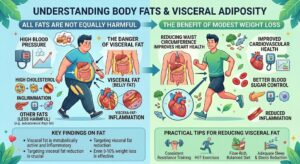
Not all fats are equally harmful.
Visceral or belly fat surrounds the internal organs. It is more dangerous to your heart than other fats.
The belly fat can cause:
- High blood pressure
- High Cholesterol
- Diabetes
- Inflammation
Even modest weight loss can improve heart health by reducing waist circumference. Weight Loss Its Effect on the Heart
How much weight should you lose?
It is not necessary to reach a perfect weight to improve heart health. Weight Loss Its Effect on the Heart
Experts in health often recommend that you lose weight.
- You can lose 5% to 10% your body weight
As an example:
- Even a loss of 5-10 kg for a person weighing 100kg can be beneficial.
Even a moderate weight loss can help:
- Blood Pressure
- Cholesterol
- Blood sugar
- Heart function
Heart Health and Weight Loss: The Best Strategies
1. Eat a heart-healthy diet
Focus on foods that are high in nutrients, such as: Weight Loss Its Effect on the Heart
- Fruits
- Vegetables
- Whole grains
- Lean proteins
- Fish
- Nuts, seeds and other nuts
Limit:
- Processed food
- Sugary drinks
- Salt excess
- Trans fats
2. Exercise Regularly
Exercise strengthens your heart and helps you burn calories.
Activities to be recommended include:
- Walking
- Cycling
- Swimming
- Jogging
- Strength Training
At least 150 minutes of moderate activity per week is recommended.
3. Control Portion Sizes
Portion control is just as important as eating healthy food.
Some tips include:
- Using smaller plates
- Avoiding second helpings
- Attention to hunger signals
4. Get enough sleep
Sleep deprivation can have a negative impact on hormones that regulate metabolism and appetite.
Adults should strive for:
- Sleep 7 to 9 hours per night
5. Manage Stress
Stress can cause weight gain and heart disease.
Healthy stress-management techniques include:
- Deep Breathing
- Yoga
- Walking outdoors
Weight Loss and Heart Disease
When the heart is unable to pump blood effectively, it can cause heart failure.
Increased weight is associated with increased risk of heart failure.
- Raises blood pressure
- Inflammation
- The heart is forced to work harder
Weight loss can:
- Heart function can be improved
- Reduce Symptoms
- Improve your quality of life
Before starting a weight loss program, patients with heart conditions need to consult a healthcare professional.
Can losing weight too quickly harm the heart?
Extreme dieting, while beneficial for weight loss, can be harmful at times.
Rapid weight loss can lead to:
- Nutrient deficiencies
- Muscle loss
- Fatigue
- Heart rhythm abnormalities
Weight loss that is safe and sustainable can be achieved by:
- You can expect to lose between 0.5 and 1 kilograms per week
Weight loss that is gradual will have a longer-lasting effect and be better for your health.
Long-term Benefits of Maintaining Healthy Weight
Maintaining weight loss provides lasting cardiovascular benefits.
Included are:
- Lower blood pressure
- Increased cholesterol levels
- Better blood sugar control
- Reduced inflammation
- Energy levels are improved
- Enjoy a better quality of life
People who maintain healthy weights often have better mobility, mental health and a longer life expectancy.
Common Myths about Weight Loss and Heart Health
Myth 1 Only obese people need to worry about heart disease
All sizes are susceptible to heart disease. Overweight increases the risk.
Myth 2: Crash diets are good for the heart
Rapid weight loss programs can be harmful. Sustainable habits are better.
Myth 3 – Exercise alone is enough
Combining physical activity and healthy eating is the best way to achieve results.
Myth #4: A small weight loss doesn’t matter
Even modest weight loss can have a positive impact on heart health.
The conclusion of the article is:
Weight loss and cardiovascular health are closely related. Weight gain puts significant pressure on the cardiovascular system and increases the risk for high blood pressure, diabetes high cholesterol, strokes, and heart attacks. Even modest weight loss leads to significant improvements in heart health and overall function.
You can improve your health and reduce your risk for heart disease by adopting healthy lifestyle habits such as a balanced diet and staying physically active. Remember that weight loss success isn’t about perfection. It is about sustainable changes that will support a healthy heart for many years.