
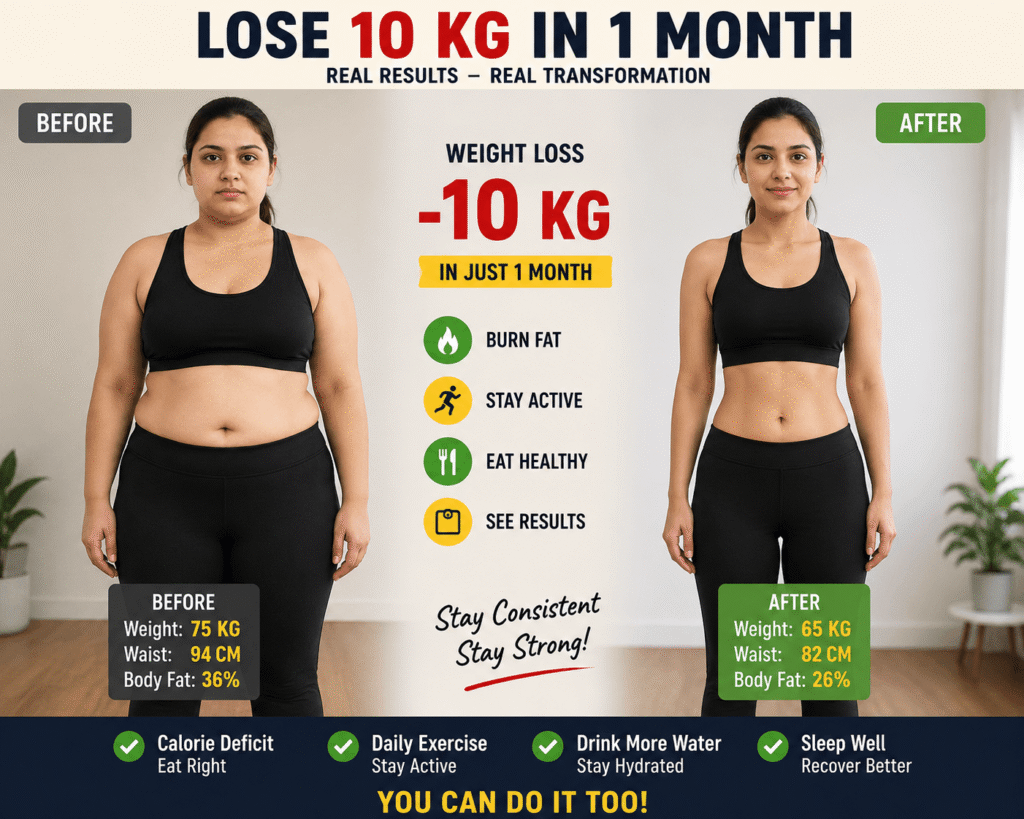
Calorie deficit for losing 10kg in 30 days Many people are looking for ways to lose weight quickly, whether they’re preparing for an event, a vacation, a wedding or just want a healthier life. A calorie-deficit is one of the most common strategies. Can a calorie-deficit really help you to lose 10kg in 30 days?
It depends on your weight, diet and activity level. Losing 10kg in a month may be unrealistic for some people, but a structured plan that reduces calories can lead to significant fat loss. Calorie deficit for losing 10kg in 30 days
This article will explain everything you need about calorie deficit. It will also tell you how it works and how many calories to eat. Calorie deficit for losing 10kg in 30 days

What is a Calorie Deficiency? Calorie deficit for losing 10kg in 30 days
When you consume more calories than you burn, you have a calorie deficit.
You need energy (calories), to perform everyday activities like: Calorie deficit for losing 10kg in 30 days
- Walking
- Working
- Exercising
- Digestion
- Breathing
If you consume fewer calories than the body needs, it will start burning fat stored in your body for energy. Weight loss is based on this principle.
As an example:
- If your body burns 2500 calories daily
- You only consume 1800 calories
You have a deficit 700 calories.
This leads to weight loss over time. Calorie deficit for losing 10kg in 30 days
How many calories are needed to lose 10kg?
Around 7700 calories are in 1 kilogram of fat.
For 10kg, you can:
10×7700=7700010 \times 7700 = 7700010×7700=77000
It would take a deficit of about 77,000 calories.
Over 30 Days:
This would mean a daily caloric deficit of about 2500+ cal. For most people, this is a very difficult and dangerous task.
Many health experts suggest that you:
- From 0.5kg up to 1kg per Week
- Or 2-4kg per month
Those with higher initial weights may initially lose more weight due to the loss of water and glycogen.
Is it safe to lose 10 kg in 30 days? Calorie deficit for losing 10kg in 30 days
Rapid weight loss may cause:
- Fatigue
- Weakness
- Muscle loss
- Nutrient deficiencies
- Hair Fall
- Changes in mood
- Slow metabolism
It is not recommended to crash diet, especially if you are a teenager or have a growing body. Calorie deficit for losing 10kg in 30 days
Focus on these instead of starving yourself: Calorie deficit for losing 10kg in 30 days
- Healthy Eating
- Exercise
- Sleep
- Consistency
- Sustainable habits
Not just a lower weight on the scale, but also fat loss should be the goal.
The Best Calorie-Deficit Strategy for Rapid Weight Loss
1. Calculate Your Maintenance Calories
The maintenance calories you need to maintain your weight are those calories that you consume every day.
It depends on:
- Age
- Gender
- Height
- Weight
- Activity Level
The majority of adults fall into the following categories: Calorie deficit for losing 10kg in 30 days
- 1800-3000 calories per day
To lose weight:
- Reduce your intake by 500 to 1000 calories per day
- Exercise more to increase physical activity
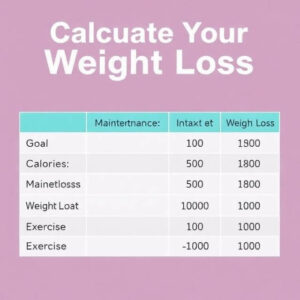
Example Calorie Deficit Plan Calorie deficit for losing 10kg in 30 days
| Goal | Calories |
|---|---|
| Maintenance | 2500 |
| Weight Loss Intake | 1500-1800 |
| Daily Deficit | 700-1000 |
This can be combined with exercise to increase fat loss significantly.
What to eat in a calorie deficit
Eat foods that are low in calories and keep you satisfied.
High Protein Foods
Protein helps preserve muscle and reduce hunger.
Examples:
- Eggs
- Chicken breast
- Fish
- Yogurt
- Lentils
- Beans
High Fiber Foods
Fiber keeps you satisfied longer.
Examples:
- Vegetables
- Fruits
- Oats
- Brown rice
- Whole wheat roti
Healthy Fats
Healthy fats are essential for hormones and energy.
Examples:
- Nuts
- Olive oil
- Seeds
- Avocado
Foods to Avoid
To lose weight faster, reduce:
- Sugary drinks
- Fast food
- Fried snacks
- Sweets in excess
- Bakery products
- Chips
- Processed food
These foods are high calorie but low in nutritional value.
Best Exercises to Burn Calories
Exercise helps create a larger calorie deficit.
Cardio Exercises
Great for burning calories quickly:
- Walking
- Running
- Cycling
- Jump Rope
- Swimming
Strength Training
Strength training helps to maintain muscle mass while reducing fat.
Examples:
- Push-ups
- Squats
- Exercises with dumbbells
- Resistance bands
HIIT Workouts
The High-Intensity Interval training burns fat and improves fitness.
Short sessions are very effective.
Sample 1500-Calorie Meal Plan
Breakfast
- 2 boiled eggs
- 1 Roti
- Green Tea
Snack
- Apple or banana
Lunch
- Grilled chicken
- Salad
- Rice in a small serving
Evening Snack
- Green tea or black coffee
- Nuts in a handful
Dinner
- Daal or grilled Fish
- Vegetables
Important of protein during weight loss
Most people who lose weight aggressively gain muscle mass instead of fat.
Protein helps:
- Maintain muscle
- Control your appetite
- Increased recovery
- Increase metabolism
Include protein in all meals.
Drink More Water
Weight loss can be supported by water.
- Reducing hunger
- Improving digestion
- Overeating can be prevented
- Supporting metabolism
Most people confuse hunger with thirst.
Drink water before eating.

Sleep and weight loss
Hormones linked to hunger and cravings are affected by poor sleep.
Sleep deprivation can cause:
- Increased appetite
- Sugar cravings
- Low energy
- Fat burning reduced
Aim for:
- Sleep 7-9 hours daily
Common Mistakes in a Calorie Deficit
1. Eating Too Little
Extreme hunger slows the metabolism and causes muscle loss.
2. Skipping Protein
Low protein consumption can cause hunger and weakness.
3. No Exercise
Muscle loss can be caused by diet alone.
4. Drinking Calories
Soft drinks, sugary coffees and other beverages with hidden calories.
5. Unrealistic Expectations
Healthy fat loss requires time.
Signs Your Calorie Deficit Is Working
Positive signs include
- Gradual weight loss
- Reduced waist size
- Better energy
- Fitness is improved
- Clothes that fit better
Remember that the scale does not measure progress alone.
How Can You Lose Ten Pounds Without Exercise?
Weight loss is driven primarily by calorie deficit.
However, exercise helps by:
- Burning more calories
- Muscle preservation
- Improve your health
- Enhancing body shape
Exercise and diet work best together.
Sustainable Weight Loss vs Crash Dieting
Although a crash diet may produce quick results, it can also lead to:
- Weight gain
- Slow metabolism
- Poor nutrition
Sustainable habits help maintain long-term success.
You should always follow a strategy that you are able to stick with.

Final Thoughts
Weight loss is based on a calorie deficit. You need to have a large calorie deficit if you want 10 kg in 30 days. This can be risky and difficult for some people.
Focus on the long-term instead of the quick results.
- Healthy Eating
- High protein meals
- Daily Activity
- Good night
- Consistency
Even if you only lose 10kg or less, developing healthier habits will transform your lifestyle and body over time.